
Ritual, Faith, and Violence
The Last DuelReligious language and sacred objects legitimize the duel while revealing the uneasy fusion of spiritual belief, legal process, and lethal force.
increasing Bearing strength in each event
 decreasing
Bearing strength in each eventdecreasingFaith in Judgment
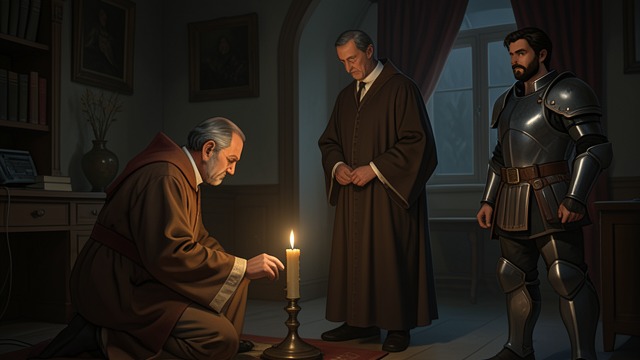
Faith in Judgment
God as arbiter
Trial by combat rests on a belief that God will favor the truthful party. The result is understood as more than a contest of strength.
A challenged doctrine
Church leaders object that the practice tempts God. Kings also distrust it because it limits their control over justice.
The Altar on the Field
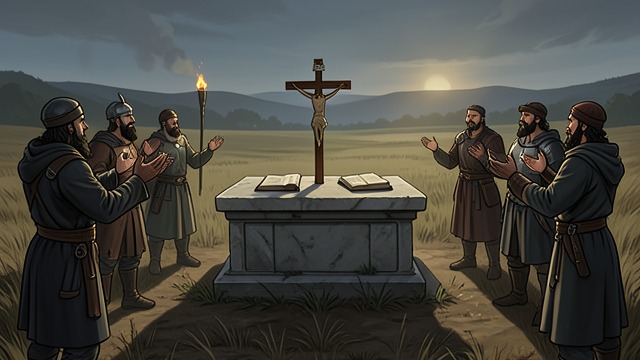
The Altar on the Field
Combat sanctified
Priests place a crucifix and prayer book on an altar at the center of the field. The combatants swear that their causes are just before entering battle.
Sacred ceremony and danger
Religious ritual surrounds a fight intended to kill one man. The arrangement makes violence appear morally ordered without removing its brutality.
Oaths of Life and Soul
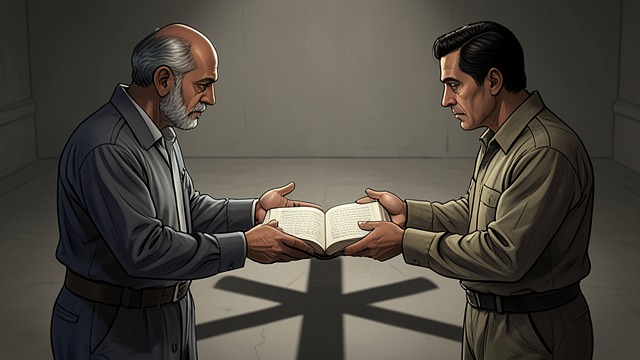
Oaths of Life and Soul
Mutual vows
Jean and Le Gris swear directly to each other that their claims are true. They place not only their lives but their souls at stake.
Perjury becomes fatal
A defeated party may be treated as having sworn falsely. The spiritual language intensifies the physical consequences and removes the possibility of a harmless outcome.
Thanksgiving and Execution
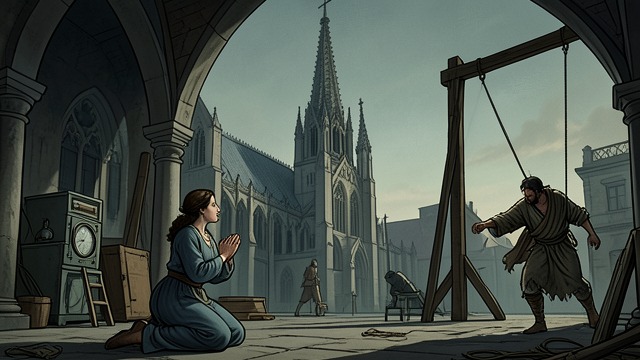
Thanksgiving and Execution
Two destinations
Jean and Marguerite visit Notre-Dame Cathedral to give thanks, while Le Gris’s corpse is dragged toward the gallows. The same outcome produces celebration and disgrace.
Ritual after violence
Christian worship frames both victory and punishment. Sacred meaning does not soften the public spectacle of death.
Faith Cannot Restore the Dead
Faith Cannot Restore the Dead
Masses for Le Gris
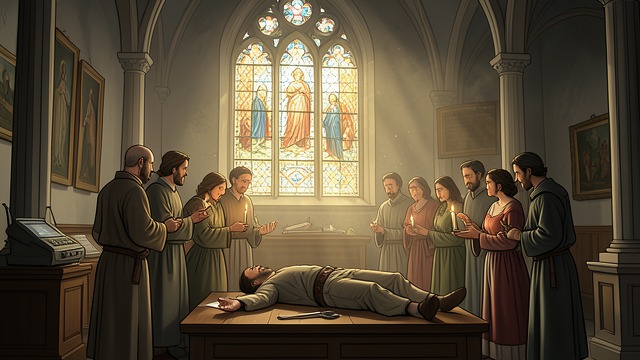
His family later pays for perpetual masses, acting from belief in the need to aid his soul and perhaps protesting his condemnation. Religious memory persists beyond the legal result.
No final revelation
The duel’s sacred framework promises divine truth, yet later disagreement survives. Faith shapes how people interpret the outcome without providing a record of the event itself.
Medieval legal culture
29 December 1386
Before the first charge
After the combat
After December 1386
